
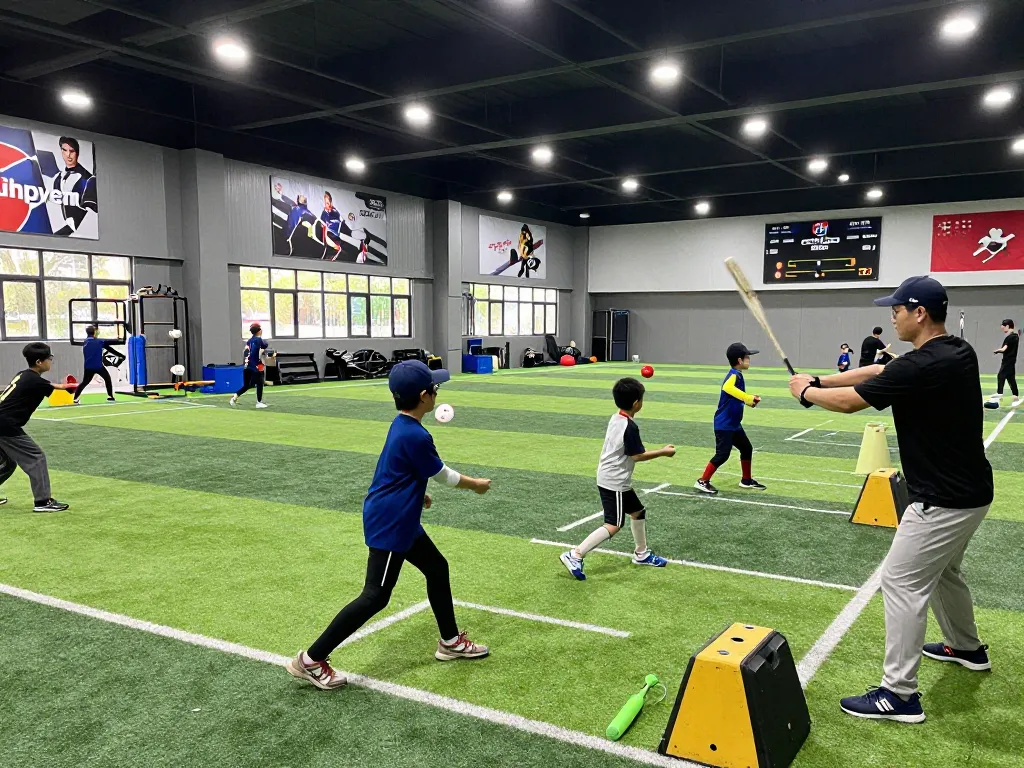
The Importance of Joining a Hit Club
Joining a hit club can be a transformative experience for young baseball players. As the sport evolves, having access to specialized training, expert coaching, and a community of like-minded athletes becomes crucial. Participants are not just learning to play; they are immersed in an environment that promotes teamwork, skill development, and a winning mentality. This introduction will explore the myriad benefits that come from being part of a hit club, highlighting the importance of choosing the right training ground for aspiring baseball stars.
Why Choose a Hit Club for Baseball Training?
Hit clubs provide a structured environment designed specifically for baseball training. Unlike other sports clubs, hit clubs focus on honing batting and pitching skills through tailored programs. With equipment such as HitTrax simulators and indoor batting cages, they offer an opportunity to practice year-round, irrespective of weather conditions. In particular, specialized instructors bring extensive backgrounds in coaching and playing, ensuring that each athlete receives top-notch guidance.
Moreover, the sense of community within a hit club fosters camaraderie among players. Young athletes find peers who share their passions, leading to collaborations that strengthen both individual and team performance. This network can prove invaluable for personal growth, making it a sought-after membership for enthusiastic players.
Benefits of Teamwork in Sports Development
Teamwork is a cornerstone of sports, and hit clubs emphasize this through various initiatives. Players engage in drills that require collaboration, communication, and strategy, which are essential skills both on and off the field. By participating in team activities, athletes develop a sense of responsibility towards their peers, learning to support and uplift one another.
Furthermore, working in teams allows for practical learning experiences. From setting shared goals to celebrating collective achievements, each interaction contributes to the overall development of a player, making teamwork an invaluable aspect of their training journey.
How Hit Clubs Foster Talent and Skills
Hit clubs utilize innovative training techniques that cater to different skill levels, helping athletes refine their talents effectively. Personalized coaching plans can address specific needs from batting stances to pitching techniques. Regular assessments and constructive feedback enable players to track their progress and make necessary adjustments, ensuring continuous improvement.
Clubs often organize competitions and showcase events to provide real-game scenarios. These experiences help players gain confidence while exposing them to different levels of competition. Moreover, the club’s support structure encourages players to push their limits, fostering resilience and a growth mindset.
Facilities and Equipment at the Hit Club
The facilities at a hit club are designed with a focus on maximizing training efficacy. Most hit clubs are equipped with state-of-the-art training tools that simulate real game conditions, enabling athletes to develop their skills in a controlled environment. Facilities typically include multiple batting cages, pitching machines, and video analysis tools that help in improving technique.
Overview of State-of-the-Art Training Equipment
Modern hit clubs invest in advanced technology to enhance training sessions. For instance, the use of HitTrax systems allows players to track their performance metrics such as exit velocity and launch angle. This data-driven approach helps athletes understand their strengths and weaknesses, leading to targeted improvement strategies. The integration of technology not only keeps training engaging but also provides measurable outcomes that help in setting realistic goals.
Importance of Indoor Facilities for Year-Round Training
Indoor facilities accommodate year-round training regardless of external weather conditions. This consistency is crucial for skill retention and development, allowing players to maintain their form even during off-seasons. Such environments also enable coaches to implement structured training programs without interruptions, ensuring athletes stay on track with their improvement journeys.
How the Hit Club Stands Out from Competitors
What sets hit clubs apart from traditional baseball teams is their laser focus on individual player development. Unlike recreational leagues that prioritize winning games, hit clubs are devoted to developing skills. They often incorporate specialized programs tailored for different age groups and skill levels, which ensures that every athlete can participate and improve at their own pace.
Additionally, hit clubs frequently collaborate with professional trainers and former athletes, providing access to expertise that might not be available in standard training environments. This unique advantage underscores why dedicated athletes choose hit clubs over conventional leagues.
Building a Winning Mindset
Developing a winning mindset is integral to a player’s success. Hit clubs focus not only on physical training but also on mental resilience. Athletes are encouraged to adopt positive thinking patterns and learn strategies to overcome challenges, both on and off the field.
Strategies for Mental Toughness in Young Athletes
Mental toughness is cultivated through various activities and drills that challenge athletes to think critically and stay focused under pressure. Coaches may implement scenarios that mimic high-stakes situations, encouraging players to remain calm and composed. Techniques such as visualization, mindfulness, and positive reinforcement help in building confidence, which plays a pivotal role in enhancing performance.
Role of Coaches in Developing Confidence
Coaches are essential in fostering an environment of positivity and encouragement. Their ability to provide constructive feedback and celebrate small victories can significantly impact an athlete’s self-esteem. By setting achievable goals and recognizing progress, coaches help players feel valued and motivated to strive for higher achievements.
Setting Achievable Goals within the Hit Club
Goal-setting is a fundamental practice in hit clubs, guiding athletes towards success. Players are taught to set SMART (Specific, Measurable, Achievable, Relevant, Time-bound) goals that relate to their training outcomes. This structured approach not only provides clarity but also instills a sense of purpose, motivating young athletes to work diligently towards their objectives.
Training Regimens and Techniques
The training regimen at a hit club is comprehensive, designed to cover all aspects of baseball performance. It includes hitting, pitching, fielding, and fitness—all critical components of a well-rounded athlete. Coaches will design programs that evolve with the player, ensuring consistent engagement and development.
Innovative Practices for Hitting and Pitching
Innovative practices are integral to training regimens in hit clubs. For hitting, drills that incorporate timing and swing mechanics are common, often paired with video analysis to provide immediate feedback. Pitching practices may involve the use of motion capture technology to analyze throwing mechanics, allowing players to refine their delivery for better results on the mound.
Integrating Fitness and Nutrition into Training
Physical fitness and nutrition play a pivotal role in enhancing athletic performance. Hit clubs often collaborate with fitness trainers and nutritionists to create holistic training plans that address both physical conditioning and dietary needs. Emphasis on strength, agility, and endurance training ensures that players are physically prepared for the demands of the game.
Measuring Progress and Performance at the Hit Club
Regular performance evaluations are crucial in maintaining motivation and understanding skill development. Coaches will utilize a combination of performance metrics and video analysis to assess progress, providing athletes with tangible data on their improvements. This feedback loop is essential for keeping players accountable and engaged in their training journey.
Future Trends in Youth Baseball Training
The landscape of youth baseball training is evolving rapidly, driven by advancements in technology and changing athlete needs. Staying ahead of trends is essential for hit clubs seeking to provide the best training experiences.
Emerging Technologies in Sports Training for 2026
By 2026, we can expect to see more sophisticated training technologies integrated into hit clubs. Artificial intelligence and machine learning will likely play larger roles in personalizing training experiences based on individual player data. Innovations such as augmented reality may also enter training environments, making practices more engaging and effective.
Predictions for Youth Sports Engagement
The engagement levels among youth athletes are predicted to rise significantly in the coming years, with an increasing emphasis on skill development over competition. As parents and young players become more aware of the benefits of specialized training, hit clubs that emphasize comprehensive development will see a surge in membership.
How Hit Clubs Adapt to Changing Athletic Landscapes
Hit clubs must be agile in adapting to emerging trends and shifts in youth sports culture. This includes adjusting training methodologies, investing in new technologies, and staying informed about best practices in coaching. By being proactive, hit clubs can ensure their training programs remain relevant and effective.
What are the Advantages of Being Part of a Hit Club?
The advantages of being part of a hit club are manifold. From access to specialized training and cutting-edge facilities to a supportive community of peers, young athletes gain invaluable resources for their development. The emphasis on teamwork and personal growth helps instill life skills that extend beyond the baseball diamond.
Is the Hit Club Suitable for All Ages?
Hit clubs cater to a wide range of age groups and skill levels, making them accessible for various aspiring athletes. Programs are often tailored to meet the unique needs of beginners, intermediate players, and advanced competitors, allowing for a seamless integration into the training environment.
How Can Parents Support Their Children in the Hit Club?
Parents play a crucial role in their children’s success at hit clubs. By encouraging their participation, fostering a positive attitude towards training, and being involved in the club community, parents can provide essential support. Open communication between parents, coaches, and players ensures that everyone is working towards the same goals.
What Should You Expect from Training at the Hit Club?
Training at a hit club should be an enriching experience characterized by structured practices, expert coaching, and a focus on personal and athletic growth. Players can expect to engage in a variety of drills, receive individualized feedback, and participate in performance assessments that guide their development.
How to Choose the Right Hit Club for Your Needs?
When selecting a hit club, consider factors such as coaching quality, facilities, training philosophy, and community culture. Visiting clubs, meeting coaches, and speaking with current members can provide insight into whether a particular hit club aligns with your goals and expectations.
What Are the Costs Associated with Joining a Hit Club?
Costs can vary significantly among hit clubs, depending on factors like location, facilities, and program offerings. It’s essential to evaluate the value provided, considering both the quality of training and the resources available, before making a decision. Many clubs offer tiered membership structures, allowing families to find options that suit their budgets.