
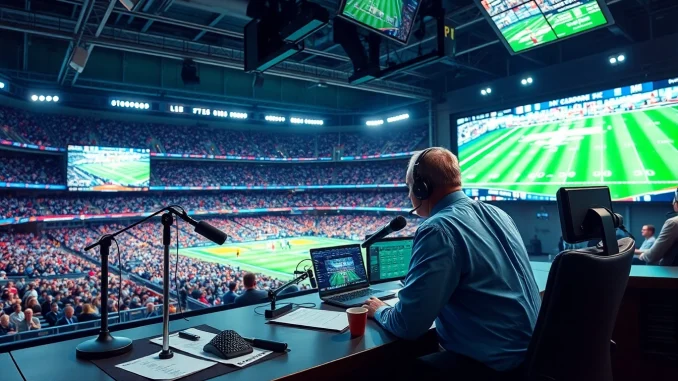
Understanding Sports Broadcasting
The realm of Sports Broadcasting has evolved dramatically over the last couple of decades, intertwining with advancements in technology, cultural shifts, and changing viewer preferences. This multifaceted domain not only encompasses the act of transmitting sports events but also carries significant implications for businesses, advertisers, fans, and athletes alike.
The Scope of Sports Broadcasting
Sports broadcasting is not merely about showing games on television; it covers a vast array of activities, including the production, promotion, transmission, and post-analysis of events. Major sporting leagues, local competitions, fan engagement initiatives, and sports news all form integral parts of this ecosystem. The scope is further defined by the platforms utilized—traditional television, radio, and increasingly, online streaming services.
Types of Sports Broadcasting
There are primarily two types of sports broadcasting: live coverage and recorded highlights. Each offers unique advantages for both broadcasters and audiences. Live coverage brings viewers directly to the action, fostering a sense of immediacy and excitement. Recorded highlights, on the other hand, allow for in-depth analysis and storytelling, catering especially to audiences with limited time. Additionally, niche broadcasts, such as college sports or extreme sports, cater to specific audiences, expanding the definition of sports broadcasting.
The Role of Technology in Sports Broadcasting
Technology is at the heart of modern sports broadcasting. HDTV and 4K provide crystal clear images, while augmented and virtual reality are beginning to change how fans experience games. Innovations such as instant replay technology and analytics are also transforming the viewing experience, making it more interactive and informative. As 5G technology rolls out, the potential for enhanced mobile broadcasting will further elevate the standards in the industry.
Key Components of Sports Broadcasting
Broadcast Equipment Essentials
Successful sports broadcasting relies heavily on a wide array of equipment, from cameras and microphones to broadcasting software. High-definition cameras ensure crystal-clear visuals, while multiple camera angles give viewers a comprehensive perspective of the event. Sound quality is equally crucial, with advanced microphones capturing commentary and crowd reactions. Additionally, broadcast control rooms equipped with sophisticated software enable seamless production processes.
The Craft of Sports Commentary
Commentary elevates sports broadcasting from simply showing athletes to creating narratives around their performances. Exceptional sports commentators possess the ability to weave technical play-by-play with entertaining anecdotes, providing context that enriches the viewer’s experience. They play a pivotal role in maintaining viewer engagement, interpreting game strategies, and enhancing the excitement of critical moments.
Live Event Coverage Strategies
To effectively convey the atmosphere of live events, broadcasters employ various strategies. This includes pre-event coverage to generate excitement, engaging analysis during halftimes, and in-depth post-game discussions. Effective social media integration allows broadcasters to interact with their audiences in real time, making them feel part of the experience. Furthermore, live interviews with players or coaches can provide audiences with exclusive insights.
Challenges in Sports Broadcasting
Navigating Regulatory Issues
Sports broadcasters must deal with a myriad of regulatory frameworks that govern what can be shown and how. These issues often vary by location and can include broadcasting rights, content restrictions, and advertising regulations. A thorough understanding of regional laws is key to avoiding legal pitfalls and ensuring compliant delivery of content.
Addressing Audience Engagement
With every major shift in technology, audience expectations also change. Maintaining audience engagement is a continual challenge for broadcasters. They must continuously innovate—whether through enhanced interactivity, new formats, or engagement on social media platforms—to keep audiences invested in the content being presented. Analyzing viewer data can provide critical insights into audience preferences and behaviors.
Dealing with Technical Difficulties
Technical difficulties can plague any live broadcast, from signal loss to equipment malfunctions. Broadcasters need to have contingency plans and backup systems ready to address issues as they arise. Training staff to handle unexpected challenges is also crucial to ensure a smooth experience for viewers.
Best Practices for Effective Sports Broadcasting
Building an Engaging Narrative
Sports broadcasting is inherently about storytelling. Broadcasters should focus on not just what is happening in the game but also build narratives around players, teams, and rivalries. This involves researching background stories, team history, and player statistics to offer richer context and increase viewer connection and interest.
Gaining Audience Trust
Trust is a vital currency in sports broadcasting. Transparency in reporting, accurate information, and genuine engagement with audiences foster loyalty. Broadcasters should prioritize ethical journalism by fact-checking information and offering balanced perspectives, especially in contentious scenarios.
Utilizing Analytics for Improvement
In the age of big data, broadcasters have the advantage of analytics tools to track viewer behavior and preferences. By analyzing viewership metrics, engagement rates, and audience feedback, broadcasters can refine their content, targeting strategies, and overall approach to enhance future broadcasts.
Future Trends in Sports Broadcasting
Emergence of Streaming Services
As traditional cable television faces challenges from rising streaming platforms, the landscape of sports broadcasting is evolving. Major leagues have begun to partner with or establish their streaming services to cater directly to fans, allowing for greater flexibility and accessibility. This trend is expected to continue, reshaping how sports content is consumed.
Adoption of Virtual Reality Technology
Virtual reality (VR) technology is poised to revolutionize the sports broadcasting industry. VR can transport viewers into the stadium or provide immersive experiences during broadcasts, creating a sense of presence that traditional viewing cannot match. As the technology becomes more affordable and user-friendly, its integration into sports broadcasting will likely become standard practice.
Shifts in Viewer Preferences
The preferences of sports viewers are shifting significantly, with younger audiences favoring short-form content and highlights over traditional full-length broadcasts. As this trend continues, broadcasters must adapt their offerings to cater to these changing preferences, potentially through bite-sized content or interactive experiences that retain viewer interest.
Frequently Asked Questions
What is sports broadcasting?
Sports broadcasting refers to the live or recorded transmission of sports events and related content through various media, including television, radio, and online platforms.
How has technology changed sports broadcasting?
Technology has enhanced picture quality, introduced new viewing experiences like augmented reality, and improved audience engagement through real-time stats and social media interaction.
What types of sports broadcasts exist?
Types of sports broadcasts include live coverage, recorded highlights, behind-the-scenes content, commentary, and specialized broadcasts for specific audiences or sports.
What are common challenges in sports broadcasting?
Common challenges include navigating regulatory issues, maintaining audience engagement, and managing technical difficulties during live events, which require proactive planning.
What trends are shaping the future of sports broadcasting?
Emerging trends include the rise of streaming services, the integration of virtual reality, and shifts in audience preferences towards shorter, more engaging content formats.